What to do when a pipe bursts in your home
Knowing what to do when a pipe bursts turns a disaster into a repair. In Muncie, most bursts follow a hard freeze, and many show up when the line thaws later in the day. Work through these steps in order. The first one matters most.
- Licensed local technicians
- No obligation
- All of Muncie
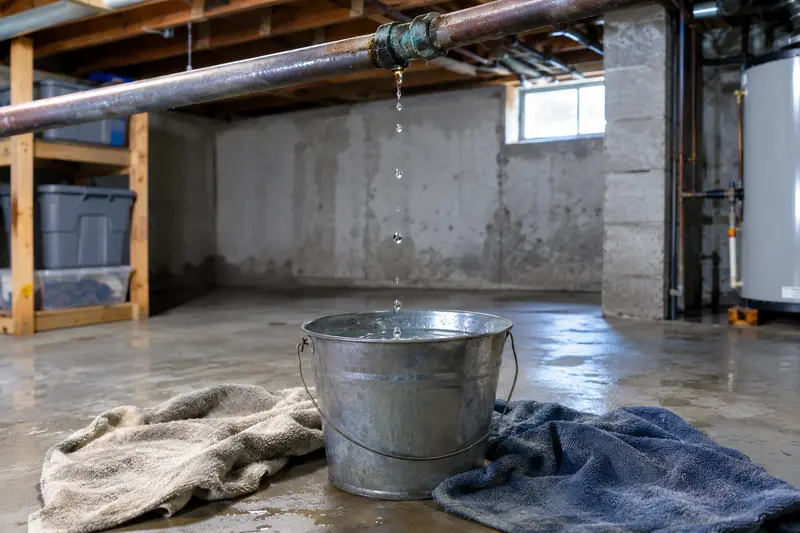
What to do when a pipe bursts, the first five minutes
- Close the main water shutoff. This stops the flow to the whole house. If you do not know where it is, read how to shut off your water.
- Cut power to wet areas. If water is near outlets, cords or light fixtures, switch those circuits off at the breaker from a dry spot.
- Open a low faucet. A faucet on the lowest floor lets water left in the pipes drain out there instead of through the split.
- Turn off the water heater. Set gas to pilot or vacation, or switch electric off at the breaker, so the tank does not heat while the water is off.
- Call. Tell us the water is off, where the split is and whether water reached anything electrical.
If water is coming through a ceiling
Switch off the lights in that room, keep everyone out from under the wet patch and put a bucket under the drip. A ceiling holding water can sag and fall.
Protect the house while you wait
- Move rugs, furniture, boxes and electronics out of the water.
- Lay towels across doorways to stop water reaching other rooms.
- Mop and use a wet vacuum on standing water, staying clear of electricity.
- Lift furniture legs onto plastic or foil so they do not soak up water or stain the floor.
- Open cabinet doors and closets near the leak so they can dry.
- Take photos of the split and the damage before cleaning up.
If the water that came out was from a drain or sewer line rather than a supply pipe, treat it as dirty water. Wear gloves and keep children and pets away.
If the pipe is frozen but has not burst yet
On a bitter morning, a faucet that gives a trickle or nothing at all is a warning. The pipe may be frozen without having split. Acting now can stop the burst.
- Open the faucet on that line a little so water can flow as it thaws.
- Warm the area gently with a hair dryer, warm towels or a space heater kept at a safe distance.
- Open cabinet doors so warm room air reaches pipes on outside walls.
- Never use a torch, a lighter or any open flame on a pipe.
If you cannot find the frozen section or it does not thaw, call. A technician can thaw it safely and check it for splits. More on this is on the burst and frozen pipe page.
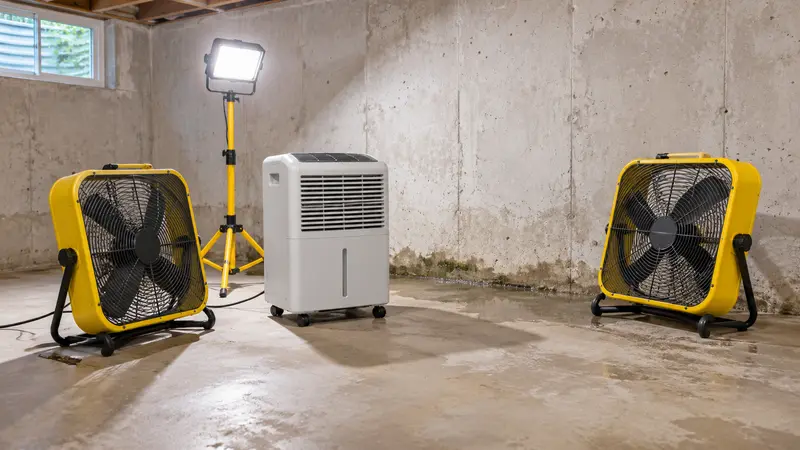
Drying out after a burst pipe
Once the leak is stopped, the next job is drying. Water soaks into drywall, insulation, carpet pad and wood framing, and anything left damp for long can grow mold.
Run fans and a dehumidifier, open windows when the weather allows and pull up wet rugs. Wet ceiling drywall that sags or crumbles needs replacing. Carpet pad soaked through usually does too.
For large leaks, especially into ceilings and walls, a water damage company may be needed to dry the structure properly. Keep your photos and notes for your insurer.
Getting the burst pipe repaired properly
A clamp or tape can hold a small split for a short time, but the lasting fix is to cut out the damaged section and replace it. The technician also checks the rest of that run, because the freeze that split one spot may have weakened another.
Ask why the pipe froze. A draft from a gap around a vent, a pipe on an outside wall behind a closed cabinet or a hose left on an outdoor faucet are common causes. Fixing the reason keeps the same pipe from bursting again next winter.
Pay attention to where the split was. A split along the length of a pipe usually means it froze. A leak at a fitting or a joint can mean the joint was weak, or that the pipe moved when it froze. A pinhole in old copper is often corrosion rather than freezing. Each one points to a different way to stop it happening again, and the technician can tell you which it was.
Older galvanized lines are often swapped for newer material where they are cut, which also helps with low water pressure. The technician explains the options before any work starts.
Before the next freeze
Muncie winters bring hard freezes and snow every year, so a pipe that froze once is likely to freeze again unless something changes.
- Insulate pipes in garages, crawl spaces and along basement rim joists.
- Seal gaps where cold air reaches pipes.
- Disconnect garden hoses and drain outdoor faucets each fall.
- On the coldest nights, open cabinet doors and let a faucet drip.
- If you travel in winter, keep the heat on and ask someone to check the house.
Keep the what to do now guide handy for any other emergency.
Hot water line or cold water line
It helps to know which line burst. A cold water line split by a freeze is the most common. A hot water line that bursts also drains the water heater, so turning the heater off matters even more. Feel the water carefully if it is safe to do so, or look at which pipe it comes from. Hot water lines usually run from the top of the water heater.
If you cannot tell, treat it as hot. Turn off the water heater along with the main valve and keep clear of the spray.
Photos and notes for your insurer
Knowing what to do when a pipe bursts includes keeping a record. Before you clean up, take photos of the split pipe, the water on the floor, any ceiling or wall damage and anything that got wet. Note the time it happened and what you did, such as when you closed the main valve.
Keep the damaged piece of pipe if the technician removes it, and keep any notes from the visit. Contact your insurer once the leak is stopped. Many policies treat a sudden burst differently from a slow leak, so the timeline matters.
Common mistakes after a pipe bursts
- Turning the water back on too soon. Leave the main valve closed until the split is properly repaired.
- Using a flame to thaw pipes. Torches start fires inside walls. Use gentle heat only.
- Walking into water near electricity. Switch off circuits from a dry spot, or keep clear.
- Leaving wet drywall and carpet. Dry quickly, or damp materials can grow mold.
- Forgetting the cause. If the reason the pipe froze is not fixed, it can burst again in the next cold snap.
When you know what to do when a pipe bursts, the damage stays small. Keep this page and the shutoff guide bookmarked for winter.
Turning the water back on
After the repair, the water goes back on slowly. Open a faucet on the top floor first so air can escape, then open the main valve a little at a time. Expect some sputtering and cloudy water at first while the air clears. Watch the repaired section and the area around it for drips, and check the ceiling below if the burst was upstairs.
Turn the water heater back on only once the tank is full again, which you can tell when hot faucets run with a steady stream. If anything drips or the pressure seems wrong, close the main valve and call.
Burst pipe questions
How fast does a burst pipe do damage?
Very fast. A split supply line can soak a floor and the ceiling below in minutes, which is why closing the main shutoff comes before anything else.
Can I patch a burst pipe myself?
A repair clamp or tape can slow a small split for a short time, but it is not a lasting fix. Keep the water off and have the damaged section replaced.
Do I need to dry the walls after a burst pipe?
Yes. Wet drywall and insulation hold water and can grow mold. Open the area to air, run fans and a dehumidifier, and have badly soaked materials checked.
How can I stop the same pipe bursting next winter?
Find out why it froze, seal drafts near it, insulate it, and on the coldest nights open nearby cabinet doors and let a faucet drip.